
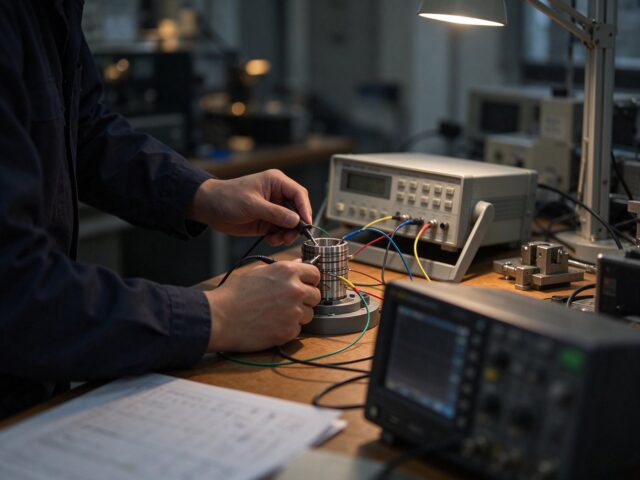
November 20, 2026
How to Specify a Slip Ring: The Nine Parameters That Decide the Design
Most slip ring enquiries fail on missing information. These nine parameters, in this order, are what an engineer needs before…
Read the note →Ingiant engineers and builds slip rings, rotary unions, electro-optical joints and servo turntables for OEM programmes where a failed rotation stops the whole machine. IP68 sealing, up to 5,000 A, 1–500+ circuits, and drawings back within 24 hours.
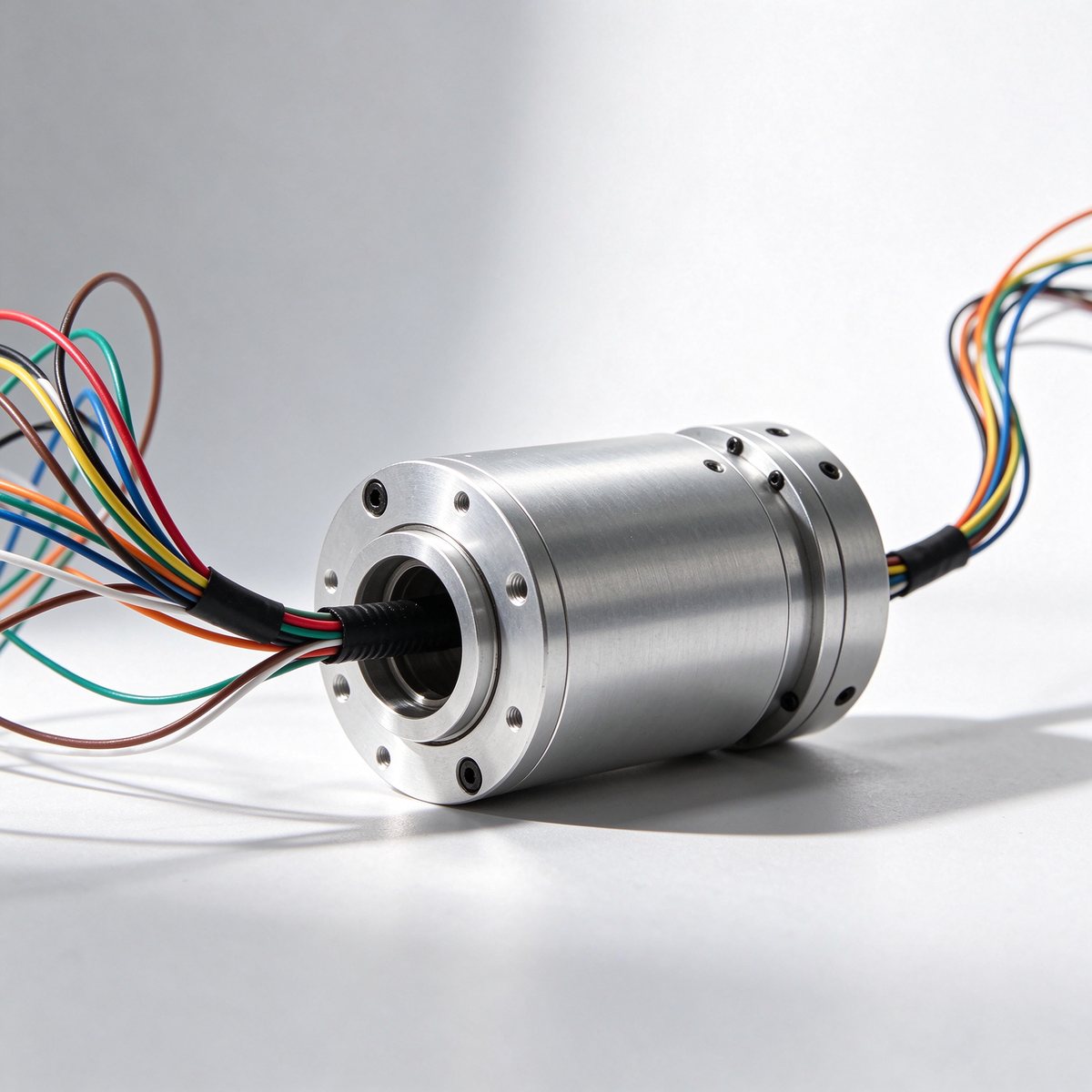
From a 12 mm capsule in a dental lamp to a 240 mm bore assembly on an offshore crane, every family below is built to the same discipline: contact resistance measured, insulation tested, rotation life recorded.
Wind turbine nacelles, CT gantries, radar pedestals, packaging lines, drilling top drives. In every one of these the slip ring is the cheapest part of the machine and the most expensive thing to lose. That is why our design rules are conservative.

Each application page lists the failure modes we design against, the sealing and current class we usually recommend, and the product families that fit that envelope.

Nacelle and pitch slip rings designed against vibration, salt fog and 20-year service with no maintenance access.
Read application note →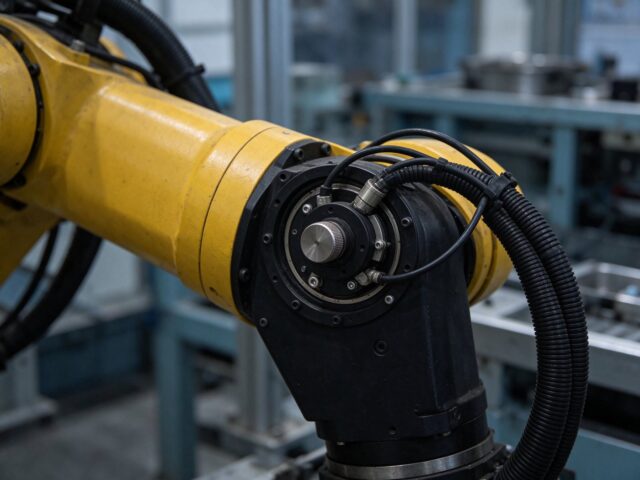
Wrist and turntable slip rings for millions of reversing cycles, with low contact noise for encoder and fieldbus…
Read application note →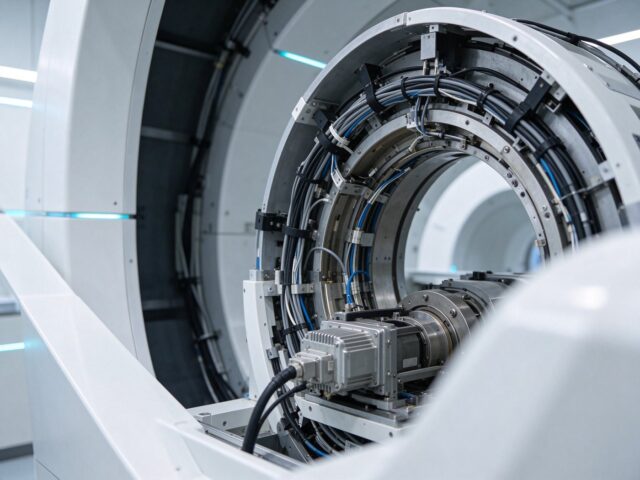
CT and MRI gantry slip rings where signal integrity, low noise and cleanroom-compatible materials decide the design.
Read application note →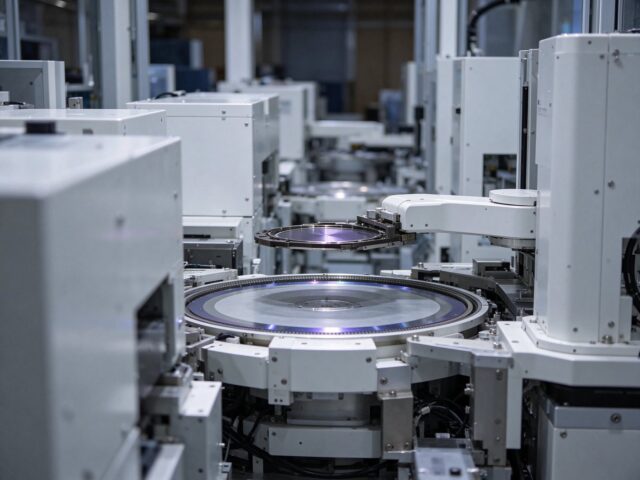
Wafer handling and process chamber rotary interfaces: vacuum-compatible materials, particle control and ultra-low outgassing.
Read application note →
Azimuth and elevation pedestals combining RF, fibre, power and control in one rotating interface, qualified to MIL-style profiles.
Read application note →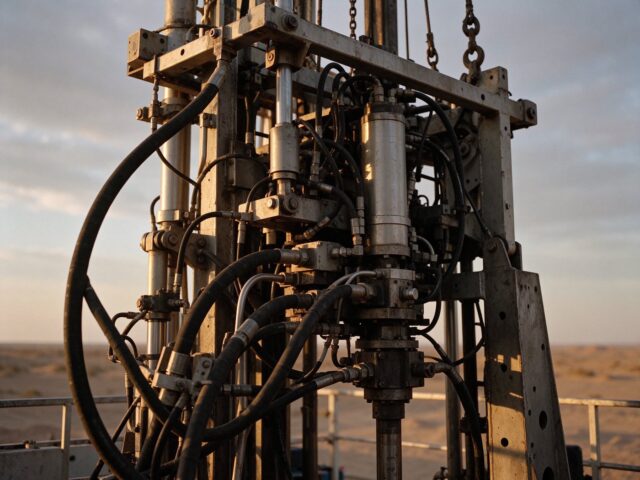
Top drives, winches and rotary tables at 1,000+ A with hydraulic passages and hazardous-area compliance.
Read application note →You send circuits, current, bore or OD, speed, IP and temperature. We confirm what is standard and what needs a new design.
A 2D/3D envelope drawing, material list and firm price with tooling cost separated from unit price. NDA available on request.
Sample build, contact resistance, insulation, rotation life and sealing verification with a test report per unit.
Batch release with 100% electrical test, serial traceability, DHL/FedEx or sea freight, export documentation included.
Written by the engineers who build the units — circuit sizing, brush wear, encoder feedback, sealing for offshore duty.
Most slip ring enquiries fail on missing information. These nine parameters, in this order, are what an engineer needs before…
Read the note →
A slip ring can pass its insulation test and still fail in service. Contact resistance, measured per circuit, is the…
Read the note →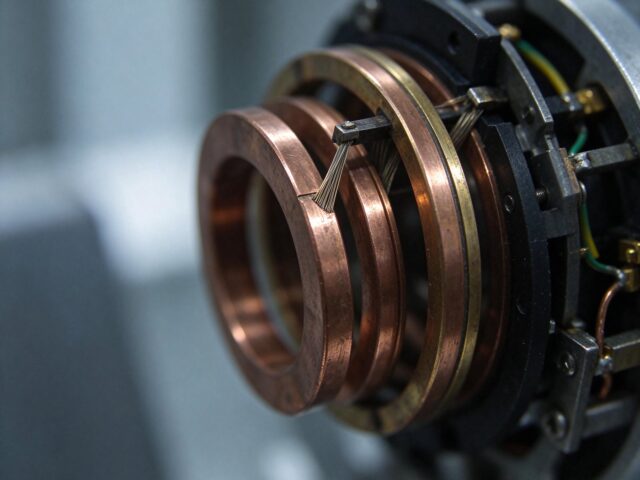
Contact material is the single decision that sets life, noise and cost. Here is how the three common choices behave…
Read the note →Circuits, current, bore size, IP rating, temperature — give us the parameters and our engineers return a feasibility note, drawing and quotation within 24 working hours.