
Rotation problems, by industry
The duty cycle, environment and failure mode are different in every sector. These notes describe how we specify slip rings and turntables for each of them — and which families usually fit.

Slip Rings for Wind Power
Nacelle and pitch slip rings designed against vibration, salt fog and 20-year service with no maintenance access.
Application note →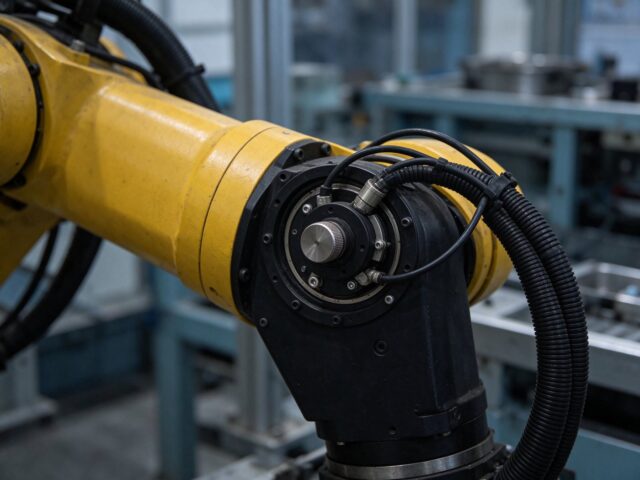
Slip Rings for Industrial Robotics
Wrist and turntable slip rings for millions of reversing cycles, with low contact noise for encoder and fieldbus signals.
Application note →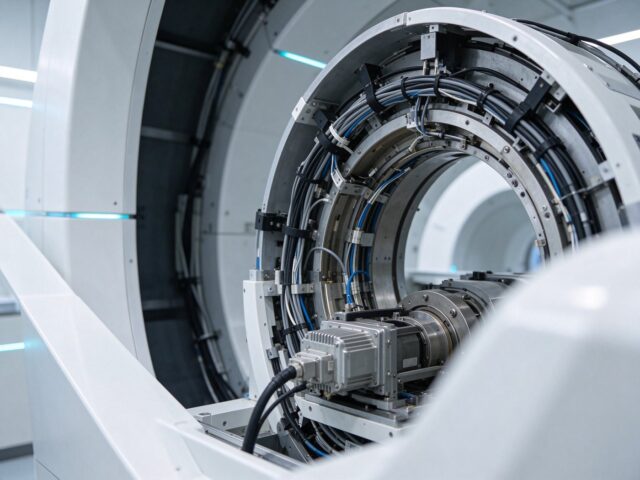
Slip Rings for Medical Imaging
CT and MRI gantry slip rings where signal integrity, low noise and cleanroom-compatible materials decide the design.
Application note →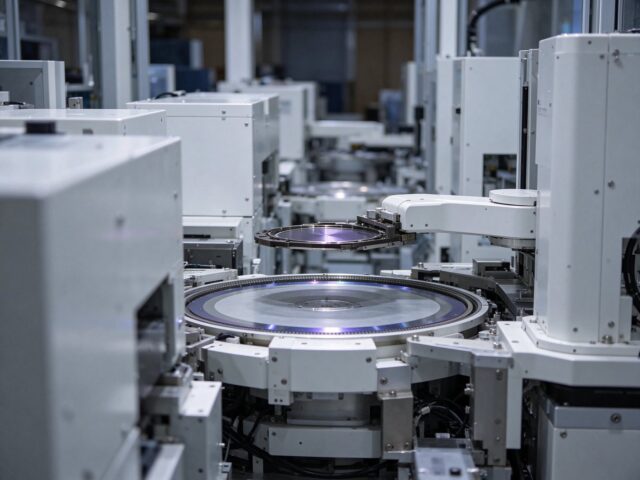
Slip Rings for Semiconductor Equipment
Wafer handling and process chamber rotary interfaces: vacuum-compatible materials, particle control and ultra-low outgassing.
Application note →
Slip Rings for Radar and Defence Pedestals
Azimuth and elevation pedestals combining RF, fibre, power and control in one rotating interface, qualified to MIL-style profiles.
Application note →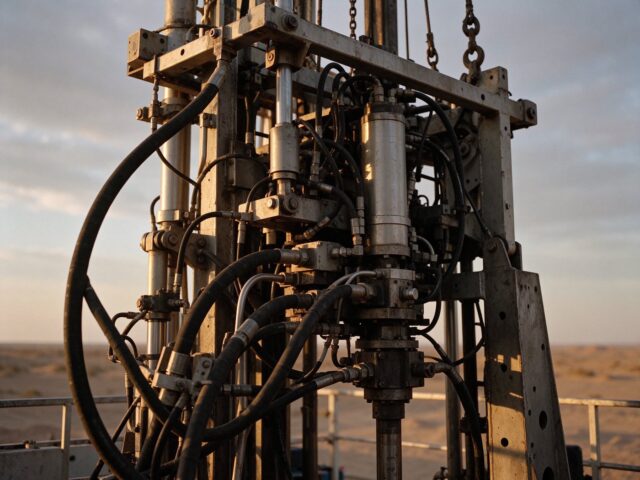
Slip Rings for Oil, Gas and Drilling
Top drives, winches and rotary tables at 1,000+ A with hydraulic passages and hazardous-area compliance.
Application note →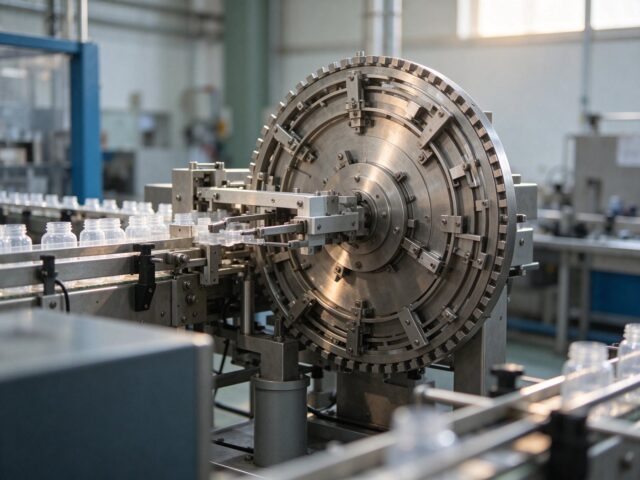
Slip Rings for Packaging Machinery
Rotary fillers and cappers running 3,000 rpm with washdown duty, where sealing and contact life set the maintenance interval.
Application note →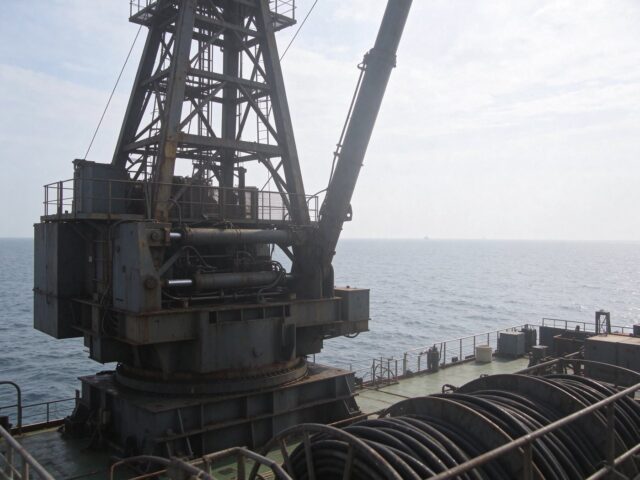
Slip Rings for Offshore and Marine
Cranes, winches and subsea tooling with IP68 sealing, pressure compensation and corrosion-resistant housings.
Application note →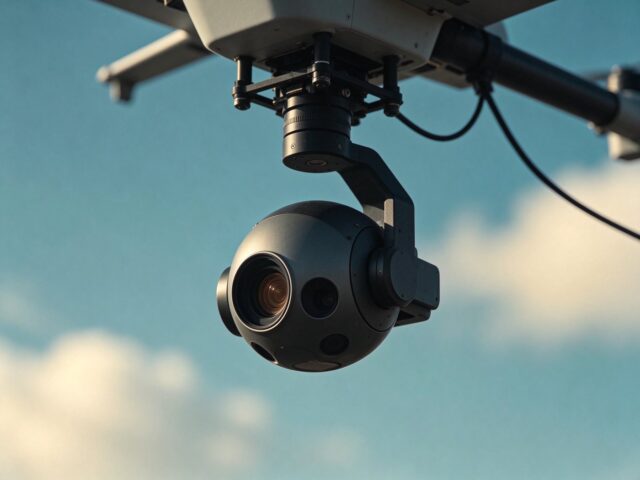
Slip Rings for Aerospace and UAV Payloads
Gimbal and pod applications combining fibre, video and power in minimum mass, qualified to vibration and shock profiles.
Application note →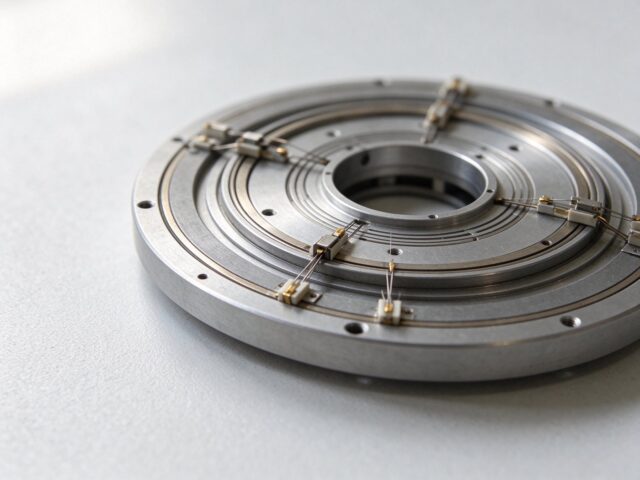
Slip Rings for Amusement and Entertainment
Carousels, observation wheels and stage rigging with long life, low maintenance and public-safety documentation.
Application note →