
IP65 means dust-tight and protected against water jets. IP68 means protected against continuous immersion at a declared depth and duration. Both are honest ratings, and choosing between them is a question about what the equipment actually experiences.
Where IP65 is correct
Deck equipment that sees rain, spray and washdown but drains freely does not need IP68. An IP65 housing with dual lip seals, a sealed cable entry and a breather membrane handles that duty for years, and it costs less and is easier to service.
Where IP65 fails
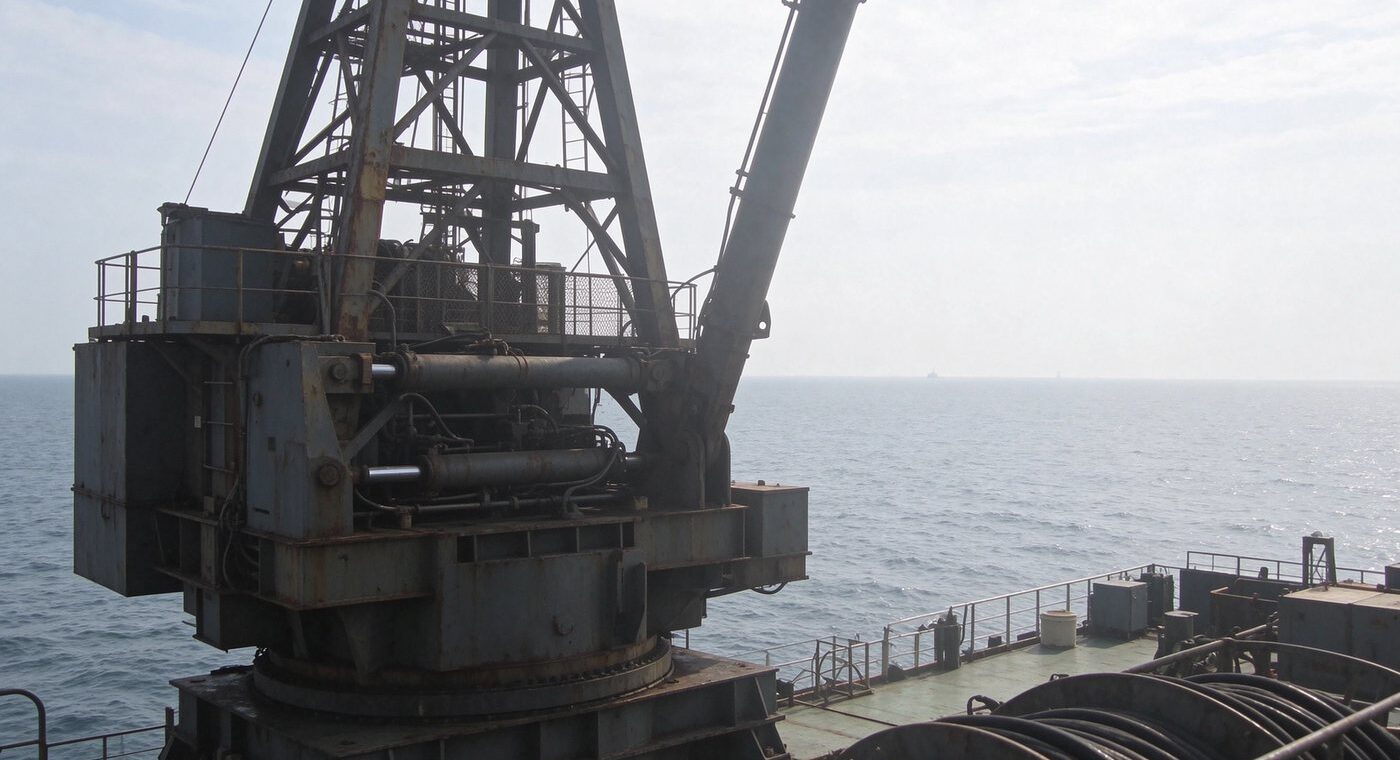
Immersion is not the only problem. On a deck, wave impact creates pressure pulses against the housing. A vented IP65 unit pumps humid air in and out with each pulse, and condensation forms inside. This is why offshore units that are not submerged still benefit from a sealed, pressure-compensated design.
What IP68 actually requires
- A declared depth and duration in the specification, not just the code.
- A sealing architecture that handles the differential: oil-filled compensation, or a housing designed to withstand external pressure without deforming.
- Pressure testing at 1.5× the working depth with the shaft rotating, not only statically.
- Insulation resistance measured after the pressure cycle, because a seal that leaks slightly shows up as a resistance drop before it shows up as water.
The commercial question
IP68 costs more: thicker housings, compensation hardware, longer test time. Specify it where the equipment is submerged or where pressure pulses are severe. Specify IP65 elsewhere and spend the difference on brush life or a better connector.
Need this checked against your application?
Send the operating parameters and our engineering desk will confirm whether a standard unit fits or a custom envelope is required.
Request engineering review